


Transparency of AI Content in Focus of New European Regulations
The Council of the European Union and the negotiators of the European Parliament have reached a provisional agreement, which still needs to be formally approved, concerning amendments to the EU Artificial Intelligence Act within the framework of the “Omnibus VII” package aimed at simplifying European legislation. The objective of the proposed amendments is to reduce the administrative and regulatory burden on businesses while maintaining a high level of user protection and legal certainty.
One of the most significant changes concerns the postponement of the application of rules for high-risk AI systems. For standalone high-risk AI systems, the new application date is set for 2 December 2027, while the rules for AI systems embedded in products will apply from 2 August 2028. European institutions have assessed that industry stakeholders still do not have access to all the technical standards, guidelines, and tools necessary for full compliance with the regulation, which is why the deadlines have been extended.
However, alongside the postponement of certain regulatory requirements, the European legislator has placed particular emphasis on the transparency of AI-generated content. Obligations relating to the labeling of AI-generated and AI-manipulated content remain among the priorities of the regulatory framework, and the transitional period for compliance has been further shortened, sending a clear message about the need for the rapid implementation of rules for the identification and labeling of content created with the assistance of artificial intelligence.
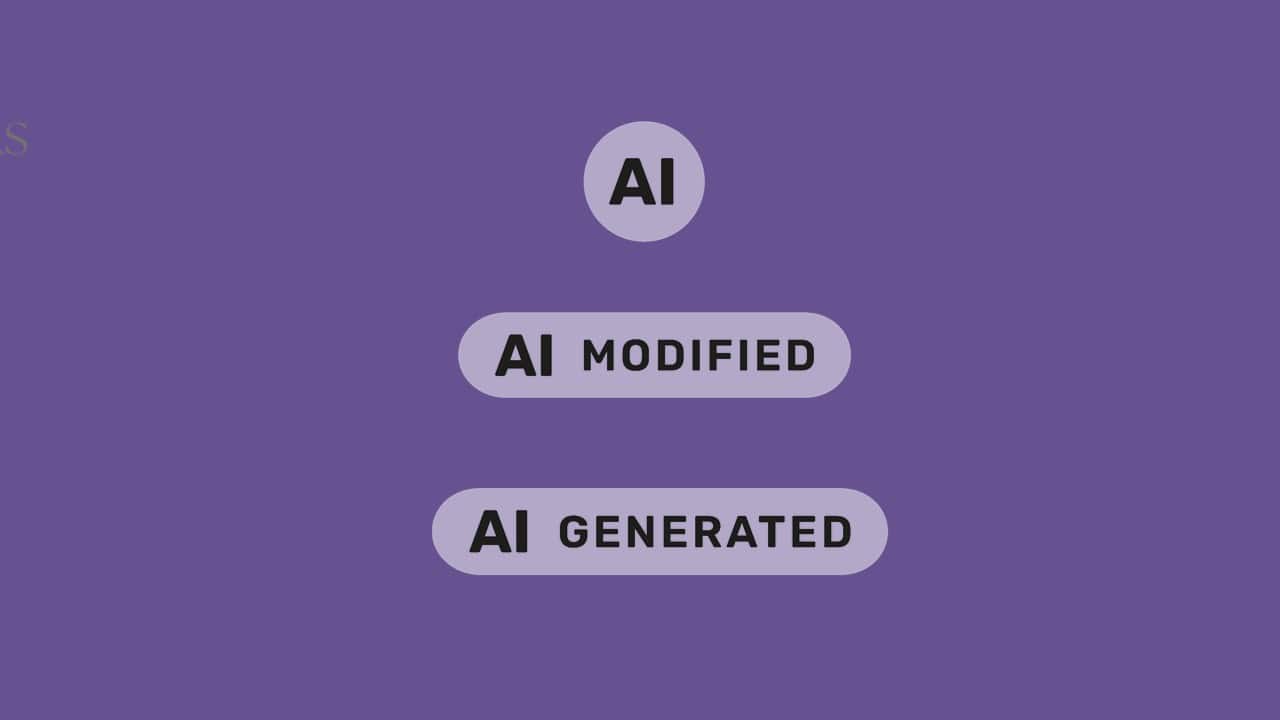
In this context, on 10 June 2026, the European Commission published the Code of Practice for the Labeling of AI-Generated Content, providing practical guidance for the implementation of the transparency obligations set out in Article 50 of the AI Act. The Code recommends technical and visual measures for labeling AI-generated content, AI-manipulated content, as well as deepfake content (content that has been generated or altered using artificial intelligence so that it appears authentic and depicts a person, event, or situation that did not actually occur or is presented in a misleading manner). Providers of generative AI systems are expected to implement appropriate technical solutions for the labeling and detection of such content, while users who publish such content are required to clearly label deepfakes and certain AI-generated and AI-manipulated content. To ensure the consistent application of these obligations throughout the EU, the European Commission has also published a set of standardized labels for marking AI-generated content (available via hyperlink).
It can therefore be concluded that transparency and clear user information will constitute key elements of the future regulatory framework and one of the fundamental mechanisms for maintaining public trust in the digital environment.